What is the Real History Behind the Awareness Ribbon Movement?
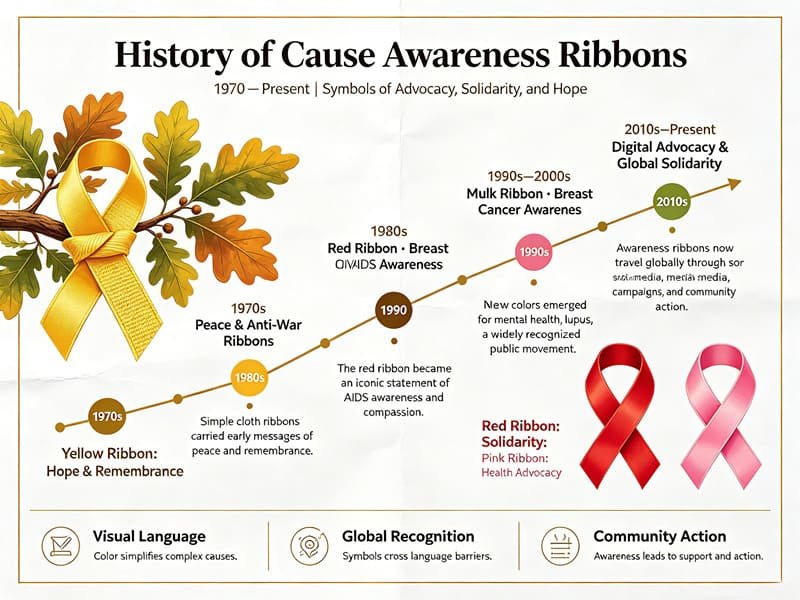
Where did the tradition of wearing these colored fabric loops begin? While some historians believe the practice dates back to medieval times—when ladies secretly gave colored favors to jousting knights—the modern movement has a much more recent history. In the United States, early rumors suggested that women during the Civil War wore yellow ribbons to remember their husbands on the battlefield. While there is little hard historical proof of this theory, the yellow ribbon did eventually become the first major symbol of national hope and waiting.
In November 1979, the yellow ribbon entered the public spotlight in a big way. Penney Laingen, the wife of U.S. Ambassador Bruce Laingen, tied a yellow ribbon around an oak tree in her yard. Her husband was one of many hostages taken when Iranian revolutionaries seized the American embassy in Tehran. She got her inspiration from the popular song, “Tie a Yellow Ribbon Round the Ole Oak Tree.” Her simple gesture became a national sensation, uniting a country in prayer and hope for the safe return of the hostages. When they were finally released in January 1981, the tradition of using yellow ribbons to show military support was firmly established.
“A simple loop of colored fabric can speak much louder than words, cutting through linguistic and cultural barriers to bring communities together.”
The movement quickly expanded into healthcare. In 1981, citizens of Atlanta wore green ribbons to show support for the families of missing children. A few years later, in 1986, faith-based groups introduced rainbow ribbons to encourage religious communities to support those affected by the growing AIDS crisis. However, the real catalyst for modern health ribbons arrived in 1991. The Visual AIDS Artists Caucus in New York secretly designed the red ribbon as an emblem of passion, love, and vigilance for those living with HIV and AIDS. Later that year, actor Jeremy Irons wore a red ribbon pinned to his lapel at the Tony Awards, placing the symbol in front of a global television audience.
In 1992, the breast cancer movement witnessed its own massive breakthrough. A woman named Charlotte Haley, who had battled the disease, began hand-distributing peach-colored ribbons with cards demanding that the National Cancer Institute increase its prevention budget. Soon after, the Susan G. Komen Breast Cancer Foundation chose a pastel pink ribbon to hand out to participants of their national race. The sheer popularity of both the red AIDS ribbon and the pink breast cancer ribbon led the New York Times to officially declare 1992 as the “Year of the Ribbon.” Today, these symbols are used by hundreds of organizations to raise funds, educate citizens, and honor those facing serious challenges.
The Definitive Guide to Ribbon Colors and Their Meanings
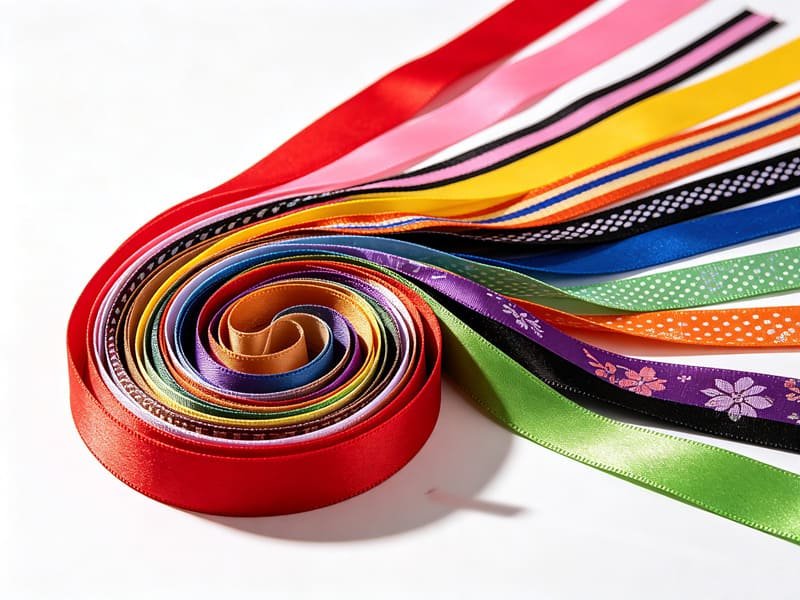
Understanding what each color family represents is the most critical step in planning an effective campaign. Below is a comprehensive, detailed breakdown of the major color groups and the specific diseases, medical conditions, and social causes they symbolize.
The Red and Pink Families (Red, Burgundy, Cranberry, Peach, Pink, Hot Pink)
The red and pink color spectrum is historically associated with high-profile health campaigns. Because these colors are naturally linked to blood, the heart, and femininity, they carry deep emotional weight.
- Red: Universally known as the primary symbol for HIV/AIDS awareness. It also represents cardiovascular disease, stroke, blood cancers, congenital heart defects, substance abuse prevention (including programs like DARE and MADD), high blood pressure, and Epidermolysis Bullosa.
- Burgundy: Worn to show support for multiple myeloma, post-polio syndrome, cesarean sections, brain aneurysms, meningitis, disabled adults, and headaches or migraines.
- Cranberry: Specifically represents fibromyalgia.
- Peach: Primarily symbolizes uterine, endometrial, and vaginal cancers, as well as Alpha-1 Antitrypsin Deficiency.
- Pink: Internationally recognized as the symbol for breast cancer. It also represents birth parents and nursing mothers.
- Hot Pink: Used to bring attention specifically to inflammatory breast cancer, an aggressive and rare form of the disease.
| Ribbon Color | Primary Health & Social Causes | Notable Awareness Month |
|---|---|---|
| Red | HIV/AIDS, Cardiovascular Disease, MADD, Substance Abuse | December (AIDS), February (Heart) |
| Pink | Breast Cancer, Birth Parents, Nursing Mothers | October (Breast Cancer) |
| Burgundy | Multiple Myeloma, Brain Aneurysm, Hospice Care | March (Myeloma) |
| Peach | Uterine Cancer, Endometrial Cancer | September (Gynecological) |
The Yellow and Orange Families (Yellow, Orange, Amber)
These colors are bright, energetic, and highly visible, making them ideal for capturing public attention in busy outdoor environments.
- Yellow: Most famously associated with military troop support and the safe return of soldiers. It is also the primary color for suicide prevention, bladder cancer, endometriosis, spina bifida, and liver disease.
- Orange: Represents multiple sclerosis (MS), leukemia, kidney cancer, ADHD, hunger and malnutrition, cultural diversity, self-injury awareness, and gun violence prevention.
- Amber: Specifically used to raise awareness for appendix cancer and pseudomyxoma peritonei.
| Ribbon Color | Primary Health & Social Causes | Notable Awareness Month |
|---|---|---|
| Yellow | Military Support, Suicide Prevention, Endometriosis | September (Suicide), March (Endo) |
| Orange | Multiple Sclerosis (MS), Leukemia, ADHD, Hunger | March (MS), September (Leukemia) |
| Amber | Appendix Cancer | August |
The Blue and Teal Families (Blue, Light Blue, Navy, Royal Blue, Pale Blue, Robin’s Egg, Teal, Turquoise)
Shades of blue are incredibly versatile, representing everything from chronic internal illnesses to important child safety initiatives.
- Blue (General): Primarily represents child abuse prevention, arthritis, colon and colorectal cancer, and anti-bullying. It also symbolizes chronic fatigue syndrome and Epstein-Barr Virus.
- Light Blue: Dedicated to prostate cancer, men’s health, lymphedema, Graves’ Disease, and Trisomy 18.
- Navy Blue: Specifically represents colon/colorectal cancer, rectal cancer, water safety, and arthritis.
- Royal Blue: Worn to support child abuse awareness and syrinogmyelia.
- Pale Blue: Primarily represents achalasia disease.
- Robin’s Egg Blue: Specifically symbolizes Pierre Robin syndrome.
- Teal: Widely recognized as the symbol for ovarian, cervical, and uterine cancers. It also represents sexual assault awareness, PTSD, anxiety disorders, and food allergies.
- Turquoise: Worn to support addiction recovery, interstitial cystitis, and congenital diaphragmatic hernia.
| Ribbon Color | Primary Health & Social Causes | Notable Awareness Month |
|---|---|---|
| Blue (Navy) | Colon & Colorectal Cancer, Child Abuse Prevention | March (Colon), April (Child Abuse) |
| Light Blue | Prostate Cancer, Men’s Health, Thyroid Disease | September (Prostate), June (Men’s) |
| Teal | Ovarian Cancer, Cervical Cancer, Sexual Assault, PTSD | September (Ovarian), April (Assault) |
| Turquoise | Addiction Recovery, Interstitial Cystitis | September (Recovery) |
The Green Family (Green, Light Green, Lime Green, Mint Green, Jade, Emerald)
Green symbolizes growth, renewal, and healing. It is most heavily associated with mental health and biological organ donation.
- Green (General): The primary color for mental health, depression, and bipolar disorder. It also represents tissue and organ donation, cerebral palsy, glaucoma, and environmental conservation.
- Light Green: Used to advocate for celiac disease, chronic pelvic pain, and sexually transmitted diseases (STDs).
- Lime Green: Specifically symbolizes lymphoma, non-Hodgkin’s lymphoma, Lyme disease, and muscular dystrophy.
- Mint Green: Represents autosomal recessive polycystic kidney disease and Congenital Hepatic Fibrosis.
- Jade: Worn to support liver cancer and Hepatitis B awareness in Pacific Islander communities.
- Emerald Green: Specifically used for liver cancer and homeopathy awareness.
The Purple and Violet Family (Purple, Lavender, Orchid, Violet, Periwinkle)
Purple is a deeply respectful color that represents strength, dignity, and survival. It is often used for challenging neurological and internal health conditions.
- Purple: The primary color for Alzheimer’s disease, pancreatic cancer, domestic violence, lupus, epilepsy, fibromyalgia, Crohn’s disease, and colitis.
- Lavender: Represents all cancers in a general sense, as well as caregiver appreciation and foster care.
- Orchid: Specifically worn for testicular cancer awareness.
- Violet: Symbolizes Hodgkin’s disease and testicular cancer.
- Periwinkle: Widely associated with eating disorders (like anorexia and bulimia), GERD, esophageal cancer, stomach cancer, and pulmonary hypertension.
The Neutral Family (White, Pearl, Gray, Silver, Gold, Black, Brown, Cream)
Neutral ribbons represent foundational and serious causes, often linked to long-term chronic diseases, public safety, and deep remembrance.
- White: Symbolizes peace, lung disease, bone cancer, adoption, right to life, and anti-violence movements.
- Pearl / Clear: Specifically represents lung cancer, emphysema, mesothelioma, and Multiple Sclerosis.
- Gray: Worn to show support for brain cancer, brain tumors, diabetes, asthma, and borderline personality disorder.
- Silver: Symbolizes Parkinson’s disease, schizophrenia, brain disorders, disabled children, and elderly abuse.
- Gold: The global standard for childhood and pediatric cancers. It also represents COPD.
- Black: Represents melanoma and skin cancer, sleep disorders (like sleep apnea and narcolepsy), and public mourning.
- Brown: Worn for colon/colorectal cancer and anti-tobacco campaigns.
- Cream: Symbolizes spinal cord injuries, paralysis, and spinal muscular atrophy.
| Ribbon Color | Primary Health & Social Causes | Notable Awareness Month |
|---|---|---|
| White / Pearl | Lung Cancer, Peace, Emphysema, Mesothelioma | November (Lung Cancer) |
| Gray | Brain Cancer, Diabetes, Asthma | May (Brain), November (Diabetes) |
| Gold | Childhood Cancer, Pediatric Oncology | September (Childhood Cancer) |
| Black | Melanoma, Mourning, Sleep Disorders | May (Melanoma) |
Patterned, Striped, and Multi-Color Ribbons (Rainbow, Jigsaw, Zebra, Split Colors)
When a single solid color cannot fully represent the complexity of a cause, organizations choose highly distinctive multi-colored patterns.
- Rainbow: The primary symbol for LGBTQ+ Pride and marriage equality.
- Jigsaw Puzzle Pattern: Traditionally used to represent autism and Asperger Syndrome.
- Zebra Stripe (Black and White): The global symbol for rare diseases, carcinoid tumors, and neuroendocrine tumors.
- Pink and Blue: Specifically represents pregnancy and infant loss, SIDS, and male breast cancer.
- Red, White, and Blue: Symbolizes patriotism, support for military veterans, and remembrance of 9/11 victims.
- Red and White: Worn to show support for aplastic anemia, squamous cell carcinoma, and head and neck cancers.
- Burgundy and Ivory: Specifically represents oral, throat, and head and neck cancers.
- Purple and Teal: Most famously associated with suicide prevention, domestic violence, and sexual assault.
- Blue and Yellow: Represents Down Syndrome and designated driver campaigns.
| Ribbon Pattern | Primary Health & Social Causes | Notable Awareness Month |
|---|---|---|
| Zebra Stripe | Rare Diseases, Neuroendocrine Tumors | November (NETs), February (Rare) |
| Pink & Blue | Pregnancy & Infant Loss, SIDS, Male Breast Cancer | October (Infant Loss) |
| Purple & Teal | Suicide Prevention, Domestic Violence / Assault | September (Suicide) |
| Blue & Yellow | Down Syndrome, Ukraine Support | October (Down Syndrome) |
Why Do Some Ribbon Colors Have Multiple Meanings?
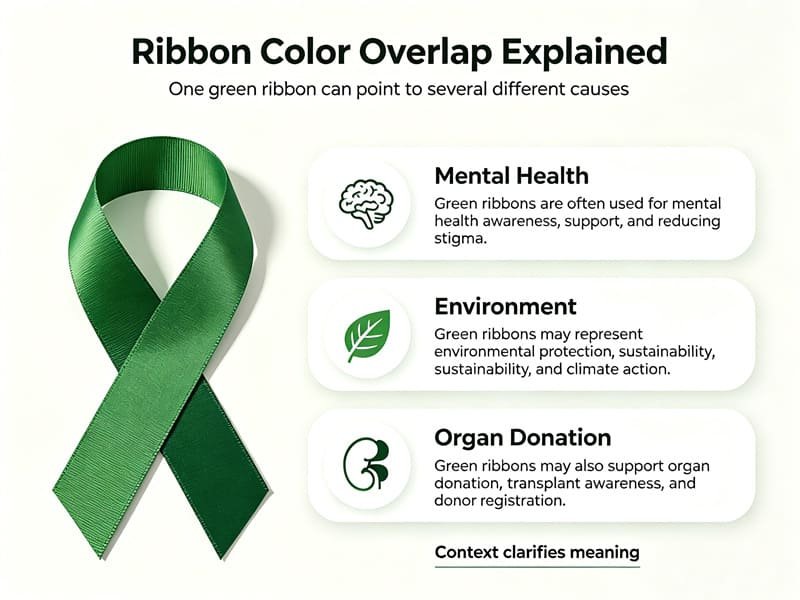
You might look at the list above and ask: why do so many different diseases share the exact same ribbon color? The answer is simple. There are literally thousands of medical conditions, cancers, and social movements, but only a limited number of primary colors that the human eye can easily tell apart. Because there is no single international registry or government agency in charge of assigning ribbon colors, different charities and medical groups have chosen their symbols independently over the past few decades.
This color overlap can lead to genuine confusion. For instance, if you wear a green ribbon, are you showing support for mental health, advocating for organ donation, or encouraging environmental protection? If you wear a purple ribbon, is it in honor of an Alzheimer’s patient, or is it a stand against domestic violence? This is why context is absolutely critical. In most campaigns, the true meaning of the ribbon is clarified in a few clever ways:
- Timing: Campaigns usually align with national health calendars. A green ribbon worn in May is immediately understood as mental health support, while the same ribbon worn during environmental events speaks to conservation.
- Text Customization: Printing a specific message, date, or organization name directly onto the loop of the ribbon or along the edge of a custom pin completely eliminates any guesswork.
- Design Accents: Adding small graphic elements, such as a red heart on a grey ribbon (for juvenile diabetes) or a rose on a purple ribbon (for cystic fibrosis), helps separate a specific cause from more general ones.
For organizations planning large-scale awareness events, adding these clear design features is the best way to make sure your audience understands and connects with your message immediately.
How to Design and Manufacture Custom Enamel Ribbon Pins

When organizing a professional charity campaign, a corporate health drive, or a hospital fundraiser, custom-manufactured enamel pins are highly recommended. While simple fabric ribbons are affordable, they easily fray, tear, and get lost. Custom enamel pins, on the other hand, are durable, long-lasting, and highly appreciated as collectible keepsakes by donors, survivors, and volunteers. When designing a custom pin with a professional partner like the Enamel Lapel Pins Factory, there are several technical decisions to keep in mind:
1. Choosing the Right Size
Most classic awareness ribbon pins are manufactured between 0.75 and 1.25 inches in size. This size range is perfect for wearing on lapels, lanyards, or ties without feeling too heavy or bulky. However, if your design needs to include a short message, a year, or an organization’s logo, you should expand the size to 1.5 or 2.0 inches. This extra space gives the manufacturing team the room they need to ensure your text is clear and readable.
2. Soft Enamel vs. Hard Enamel
This is a critical choice for any professional bulk order. **Soft enamel pins** have recessed color areas and raised metal borders, giving the pin a distinct, textured, three-dimensional feel. They are highly cost-effective for large-scale giveaways. **Hard enamel pins** are polished down flat, so the colored enamel is perfectly level with the metal borders. This creates a smooth, durable, jewelry-like finish that is highly recommended for donor thank-you gifts and survivor honors.
3. Selecting Metal Plating and Finishes
The metal trim of your pin serves as the frame for your ribbon color. High-polished gold and silver plating are the most popular choices because they look exceptionally professional and match well with almost any ribbon color. If you want a more modern, high-contrast look, you can choose black nickel plating. For premium, special-edition designs, rose gold plating offers a soft and elegant finish.
4. Creative Ways to Add Custom Text and Details
If you want to personalize your pins with names, years, or slogans, you have three primary manufacturing options:
- Metal Engraving: The custom text is stamped directly into the metal mold. The letters will match the color of the plating, keeping your design clean and understated.
- Screen Printing: The custom text or logo is printed directly on top of the polished enamel surface. This supports complex logos and tiny, detailed text. Typically, adding screen printing costs around $15 per color added to the total order, rather than per unit, making it very budget-friendly for bulk orders.
- Laser Engraving: Ideal for adding individual names or unique serial numbers directly onto finished hard enamel pins. Professional manufacturers often offer laser engraving services to help customize your final product.
For large public walks or community events, organizations often combine custom enamel pins with other promotional materials. For instance, customized silicone wristbands are popular, low-cost fundraising items. They can be purchased in bulk for around $0.16 per piece and easily resold for $1 to $5 to raise money for your cause. Single-day charity runs often use Tyvek® wristbands (costing around $0.03 each) as event entry credentials, matching the color of the band to the event’s awareness theme.
How Do You Make a DIY Awareness Ribbon?
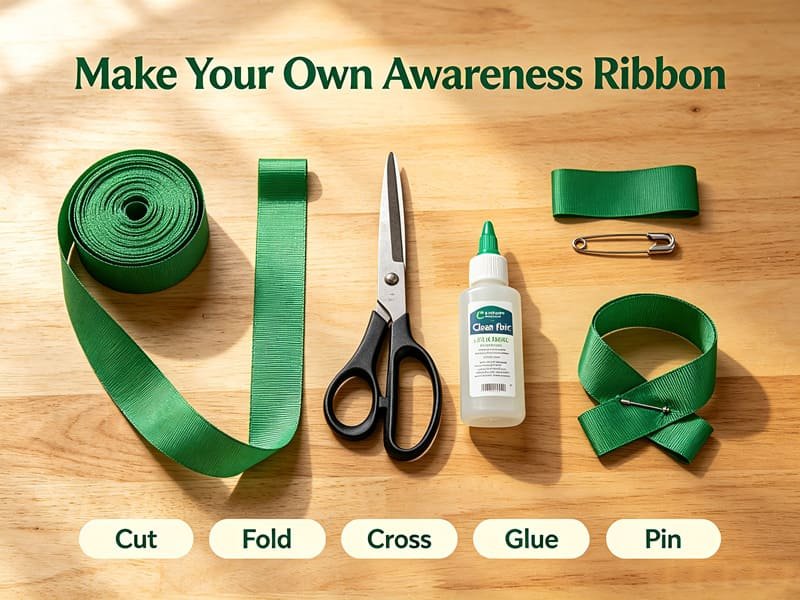
If you are planning a small school program, a local community fundraiser, or a personal memorial service, making your own physical ribbons is a wonderful, personal way to show support. By sourcing ribbon rolls in bulk, you can easily create beautiful, uniform ribbons. Follow this simple, step-by-step guide to craft your own high-quality awareness ribbons:
- Choose and Prepare Your Fabric: Select a high-quality ribbon roll. Satin ribbons offer a beautiful, glossy shine, while grosgrain ribbons have a textured finish that holds its shape exceptionally well. Cut a section of ribbon exactly nine inches long. To prevent the ends from fraying, make sure to cut them at a sharp, slanted angle.
- Fold the Perfect Loop: Hold the cut section of ribbon at the center fold. Take one end and fold it neatly over the other end, forming an “X” shape. This creates a loop at the top with two hanging “tails” at the bottom. Make sure the crossover point is centered and that the loop and tails look symmetrical. If your ribbon has custom text printed on it, adjust the fold to make sure the message is fully visible and not covered by the overlap.
- Secure the Crossover Point: Once you are happy with the shape, you need to hold the ribbon in place. You have three great options to secure it:
- Hot Glue: The quickest and most durable option. Apply a tiny dot of hot glue between the overlapping fabric pieces. Be careful, as it dries very quickly and cannot be adjusted once set.
- Fabric Glue: Highly recommended because it dries completely clear and leaves the fabric feeling soft and flexible, though it does require a bit of drying time.
- Sewing: For the neatest, most professional finish, sew a few quick stitches through the crossover point using a matching needle and thread.
- Attach the Fastener: The final step is adding a way to wear your ribbon. Use a dot of hot glue to secure a safety pin, clip, or magnet to the back of the crossover point. Magnets are a fantastic, no-puncture choice for those who want to wear their ribbons without making tiny holes in their clothes.
By following these steps, you can create beautiful, handmade symbols of hope that your volunteers and participants will be proud to wear.
Are Awareness Ribbons and Pins Actually Effective?
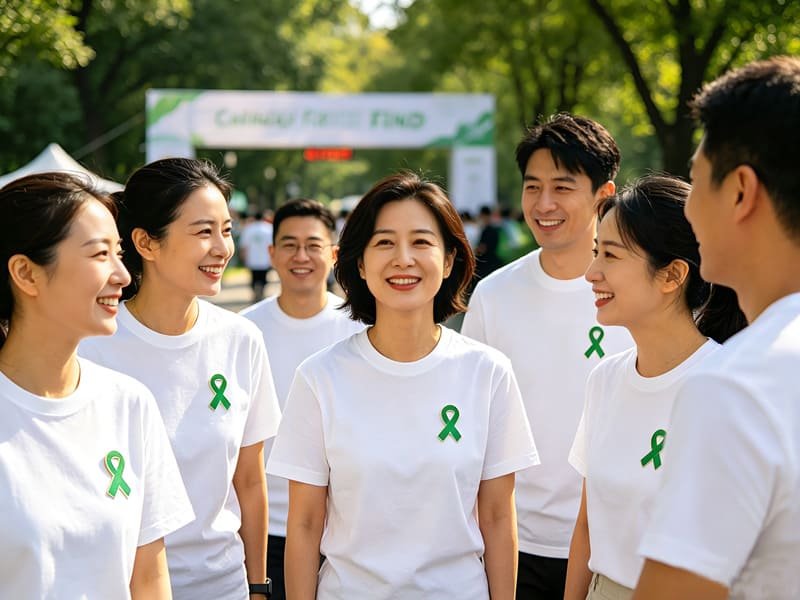
Does wearing a colored loop of fabric or pinning a custom lapel pin to your collar actually make a difference? While some critics argue that ribbons are just a simple form of “passive support,” history shows that they are incredibly powerful tools when used as part of a larger campaign. They serve as immediate conversation starters, allowing people to talk openly about otherwise difficult or uncomfortable health topics. By showing that a large community of allies exists, ribbons help reduce the isolation and shame that patients and their families often feel.
However, the real power of an awareness ribbon lies in its ability to drive real-world action. A ribbon alone cannot cure a disease, but it can serve as the spark that leads to a cure. For a ribbon campaign to be truly successful, organizers must connect the visual symbol with clear, actionable goals:
- Encouraging Preventive Care: The famous pink ribbon is a massive success because it is linked directly to a call to action: reminding women to check for lumps and schedule regular mammograms.
- Driving Biological Donations: Green ribbons remind the public of the life-saving impact of registering as organ and tissue donors or joining bone marrow registries.
- Fundraising for Research: Selling custom enamel pins, ribbons, or wristbands at charity walks helps generate critical funds that directly support medical researchers developing new treatments and cures.
When you wear a ribbon, you are doing more than just displaying a color; you are joining a global movement to support, educate, and inspire positive change.
What are the Legal and Trademark Issues with Ribbon Colors?
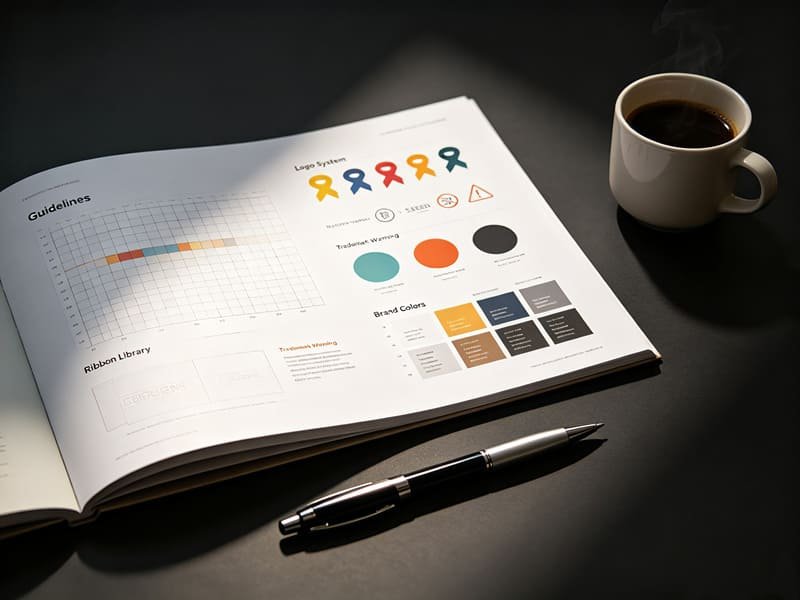
Before launching a public fundraising campaign, ordering promotional items, or designing custom lapel pins, B2B buyers and event organizers must understand the legal guidelines surrounding awareness ribbons. For the most part, simple, solid-colored loops are considered public domain “universal symbols.” The U.S. Patent and Trademark Office does not allow organizations to trademark a basic color loop because it is a shared symbol of support. However, there are some important exceptions and trademark protections to keep in mind:
- Stylized and Combined Designs: While a plain pink loop is free for anyone to use, unique, stylized logo designs that incorporate a pink ribbon alongside corporate branding can be trademarked. For example, in Canada, the Canadian Breast Cancer Foundation holds “official mark” status for its specific pink ribbon design.
- Restricted Color Combinations: Some color combinations are legally protected. For instance, the specific “Pink and Purple Ribbon” design is trademarked and not available for general public use without permission.
- Trademarked Slogans: Slogans and phrases associated with ribbons are heavily protected. The phrase “For The Cure” is a registered trademark, and using it on your custom pins, ribbons, or promotional materials without official licensing can lead to serious legal issues.
To keep your campaign safe, always design original layouts, focus on your organization’s unique branding, and verify the copyright and trademark status of any specific slogans or color combinations before placing a bulk manufacturing order.
A Complete Calendar of Cause Awareness Months
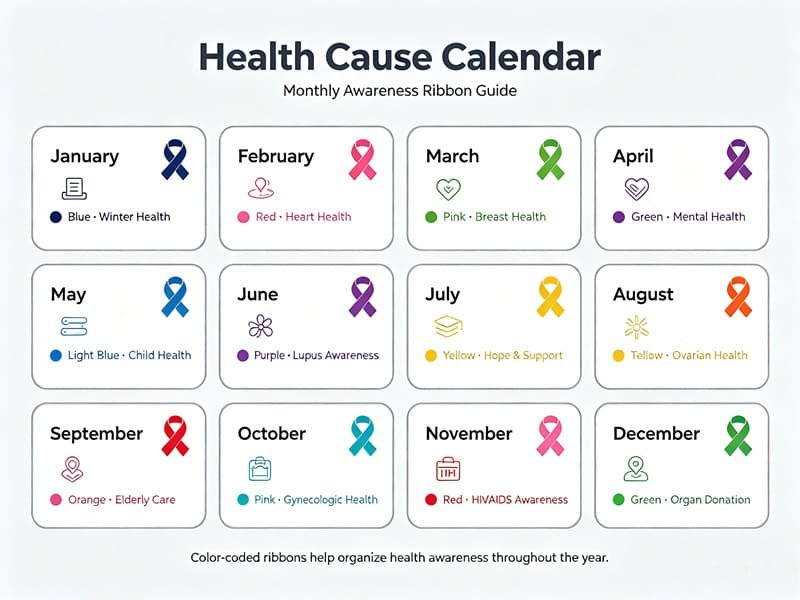
Planning your promotional campaigns around the national health calendar is the best way to capture public attention and coordinate with national fundraising efforts. Below is a comprehensive table detailing the major health awareness themes, their corresponding ribbon colors, and their dedicated months.
| Month | Primary Health & Social Cause | Official Ribbon Color |
|---|---|---|
| January | Cervical Cancer Awareness, Thyroid Disease, Glaucoma | Teal & White, Light Blue, Green |
| February | Heart Disease, Stroke Awareness, Eating Disorders | Red, Red, Periwinkle |
| March | Multiple Sclerosis (MS), Colorectal Cancer, Kidney Disease | Orange, Dark Blue, Orange |
| April | Child Abuse Prevention, Sexual Assault Awareness, Autism | Blue, Teal, Jigsaw Puzzle Pattern |
| May | Mental Health Awareness, Brain Cancer, Stroke, Lyme Disease | Green, Gray, Red, Lime Green |
| June | Men’s Health, Alzheimer’s Disease, LGBTQ+ Pride | Light Blue, Purple, Rainbow Pattern |
| July | Sarcoma & Bone Cancer Awareness | Yellow |
| August | Appendix Cancer Awareness | Amber |
| September | Childhood Cancer, Ovarian Cancer, Prostate Cancer, Leukemia | Gold, Teal, Light Blue, Orange |
| October | Breast Cancer Awareness, Domestic Violence, ADHD | Pink, Purple, Orange |
| November | Lung Cancer, Pancreatic Cancer, Diabetes Awareness, COPD | Pearl/White, Purple, Gray, Gold |
| December | HIV/AIDS Awareness | Red |
Frequently Asked Questions (FAQ) about Awareness Ribbons
1. What does a purple ribbon stand for?
The purple ribbon represents several meaningful causes, most notably domestic violence prevention, Alzheimer’s disease, pancreatic cancer, lupus, and epilepsy awareness. Because it is highly versatile, the exact cause is usually clarified by the timing of the campaign or by printing custom text directly onto the ribbon.
2. What ribbon color represents mental health?
The green ribbon is the internationally recognized symbol for mental health, depression, and bipolar disorder awareness. It is most widely displayed during Mental Health Awareness Month in May to help reduce social stigma and encourage open conversations about care.
3. What is the difference between soft enamel and hard enamel pins?
Soft enamel pins have a textured, three-dimensional surface because the colored enamel is recessed below the raised metal borders. They are highly cost-effective for large events. Hard enamel pins are polished perfectly flat and smooth, creating a durable, jewelry-like finish that is recommended for premium donor gifts and survivor honors.
4. Can one awareness ribbon color represent more than one cause?
Yes, many ribbon colors represent multiple causes due to the limited number of easily recognizable colors. For example, orange represents leukemia, multiple sclerosis, hunger awareness, and kidney cancer. Campaigns resolve this by adding custom text, shapes, or using the colors during specific national awareness months.
5. Is the pink breast cancer ribbon copyrighted or trademarked?
A basic, solid-colored pink loop is considered public domain in most countries and is free for anyone to use. However, unique, stylized logo designs containing a pink ribbon can be trademarked by specific charities, and in Canada, the pink ribbon is protected as an official mark of the Canadian Breast Cancer Foundation.
6. What is the zebra stripe ribbon used for?
The black-and-white zebra stripe ribbon is the global symbol for rare diseases, carcinoid tumors, and neuroendocrine tumors. It represents the medical saying about not overlooking rare conditions when evaluating common symptoms.
7. How can I personalize my awareness pins for a specific event?
You can customize your pins by engraving dates or names directly into the metal mold, screen printing complex logos onto the enamel surface, or laser engraving individual names on finished pins. These custom options help separate your specific campaign from general causes.
8. What ribbon color represents childhood cancer?
The gold ribbon represents childhood cancer and pediatric oncology awareness. Gold symbolizes the preciousness and value of children’s lives. It is most heavily displayed and promoted by family advocacy groups during Childhood Cancer Awareness Month in September.
Partner with a Reliable Manufacturer for Your Custom Pins
Awareness ribbons are far more than just small, colorful loops of fabric; they are powerful, shared symbols of compassion, survival, and community hope. Throughout history, from yellow military ribbons to red HIV/AIDS loops, these visual icons have shown an incredible ability to spark conversations, reduce social stigma, and unite people around the world. Whether your organization is launching a national healthcare campaign, preparing a corporate charity walk, or honoring survivors at a local event, using high-quality visual products is the best way to ensure your message is communicated clearly and respectfully.
As you plan your next campaign, consider upgrading from simple fabric ribbons to beautiful, custom-manufactured lapel pins. Investing in a professional, custom-designed pin shows a deep, long-term commitment to your cause. By choosing to work with an experienced B2B partner like the Enamel Lapel Pins Factory, you can bring your creative designs to life with polished gold and silver finishes, vibrant enamel colors, and clear custom text—all at direct-factory pricing. We hope this comprehensive guide has given you the knowledge and inspiration you need to choose the perfect color and design for your next successful campaign.